
The psychological effects of gambling understanding your mind with Pin up
The Nature of Gambling Addiction
Gambling addiction is a complex psychological condition that affects a significant number of individuals worldwide. It is characterized by an overwhelming urge to gamble, despite the potential negative consequences. This addiction can lead to financial problems, emotional distress, and strained relationships. Understanding the underlying psychological triggers is crucial for those who find themselves caught in this cycle. For those considering delving into this world, it’s essential to login Pin up to access resources that can help.

Many individuals may start gambling for entertainment, viewing it as a way to relieve stress or escape from daily pressures. However, the thrill and adrenaline rush associated with gambling can quickly morph into an uncontrollable habit. The brain’s reward system plays a vital role in this process, often reinforcing the behavior through intermittent rewards, making it difficult to break free.
The Impact of Online vs. Offline Gambling
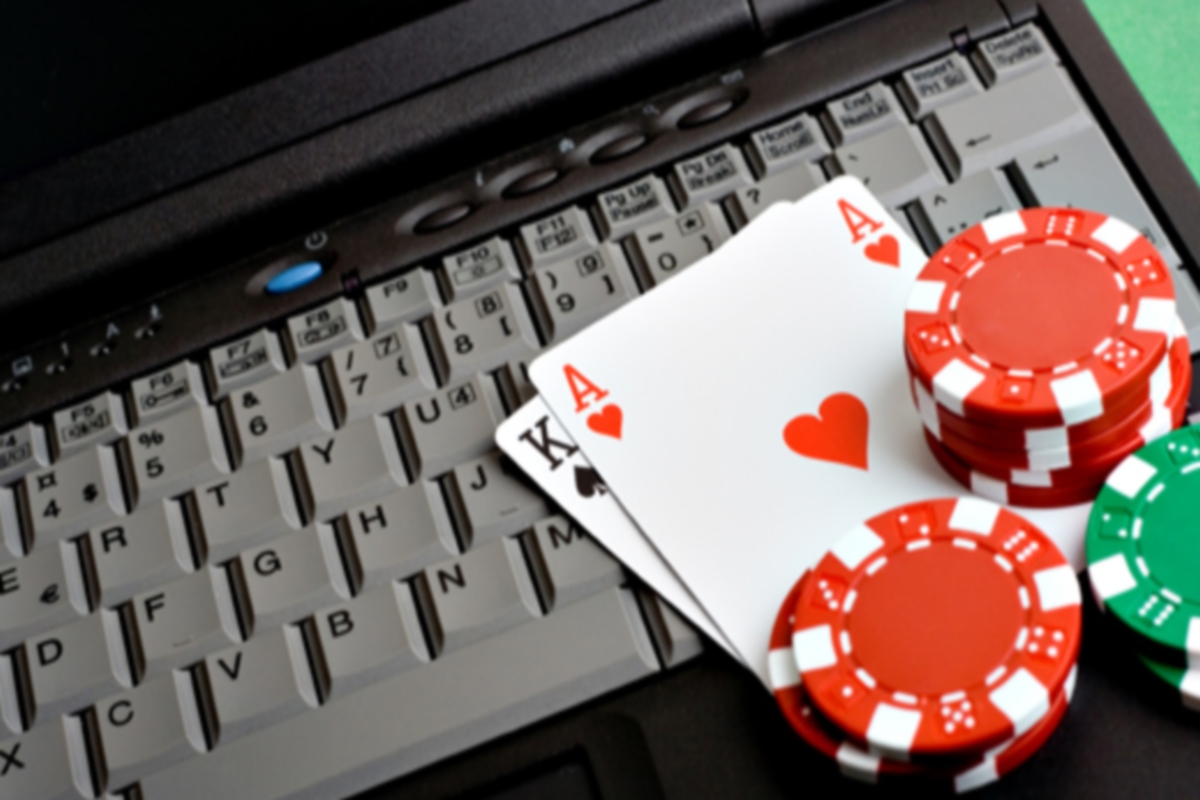
The psychological effects of gambling can differ significantly between online and offline platforms. Online gambling provides immediate access, allowing individuals to gamble from the comfort of their homes. This convenience can amplify the risk of addiction, as players may find themselves engaging in gambling more frequently and for extended periods without the social checks that often accompany offline gambling.
On the other hand, offline gambling typically involves social interactions, which can serve as a balancing factor for some individuals. The presence of others may create a sense of accountability. However, offline gambling also presents its own set of challenges, such as the influence of peer pressure and the potential for larger, more immediate financial losses in a casino environment.
The Emotional Rollercoaster of Gambling
The emotional experience of gambling is often described as a rollercoaster ride, where players encounter highs of excitement and lows of despair. Winning can trigger feelings of exhilaration and confidence, reinforcing the desire to gamble more. Conversely, losses can lead to profound feelings of guilt, shame, and anxiety, creating a cycle of emotional highs and lows that can be difficult to manage.
This emotional volatility can lead to compulsive behaviors, as individuals may chase their losses in the hope of regaining their financial footing. Understanding these emotional dynamics is essential for anyone looking to manage their gambling habits effectively. Recognizing the interplay between emotions and gambling behavior can empower individuals to make informed decisions regarding their activities.
Recognizing Signs of Problem Gambling
Being aware of the signs of problem gambling is crucial for early intervention. Some indicators include increased secrecy about gambling habits, neglecting responsibilities, and using gambling as a coping mechanism. Friends and family may notice changes in behavior, such as irritability or withdrawal from social activities, as the individual becomes more consumed by their gambling.
Recognizing these signs early can help individuals seek the necessary support and resources. Whether it’s reaching out for counseling or connecting with support groups, addressing gambling-related issues promptly can lead to healthier coping strategies and improved mental well-being.
Explore Resources with Pin up
At Pin up, we strive to provide comprehensive resources tailored to those seeking to understand the psychological effects of gambling. Our platform offers a wealth of information aimed at empowering individuals with knowledge and strategies to manage their gambling habits effectively. Whether you are seeking expert advice or practical guides, our goal is to support you on your journey toward understanding your mind.
By fostering a community of like-minded individuals, Pin up encourages connections that promote growth and achievement. Explore our diverse content to gain insight into the complexities of gambling and discover ways to navigate your relationship with it. Together, we can work toward a healthier mindset and a balanced approach to gambling.