
Exploring the Evolution of Gambling Through the Ages
The Ancient Origins of Gambling
Gambling has a rich history that dates back to ancient civilizations. Archaeological findings suggest that the earliest known gambling activities occurred in China around 2300 BC, where simple games were played with rudimentary tiles. Similarly, the ancient Romans and Greeks engaged in betting on various games and sports, reflecting the significance of luck and chance in their culture. The excitement of chance was reminiscent of the thrill one experiences at a dbbet casino.

These early forms of gambling were often intertwined with religious beliefs and social rituals. In many cases, dice were used as tools of fortune, and gambling became an integral part of festivities. The excitement of chance took root in the hearts of people, paving the way for the elaborate gambling structures we see today.
The Evolution of Gambling in the Middle Ages
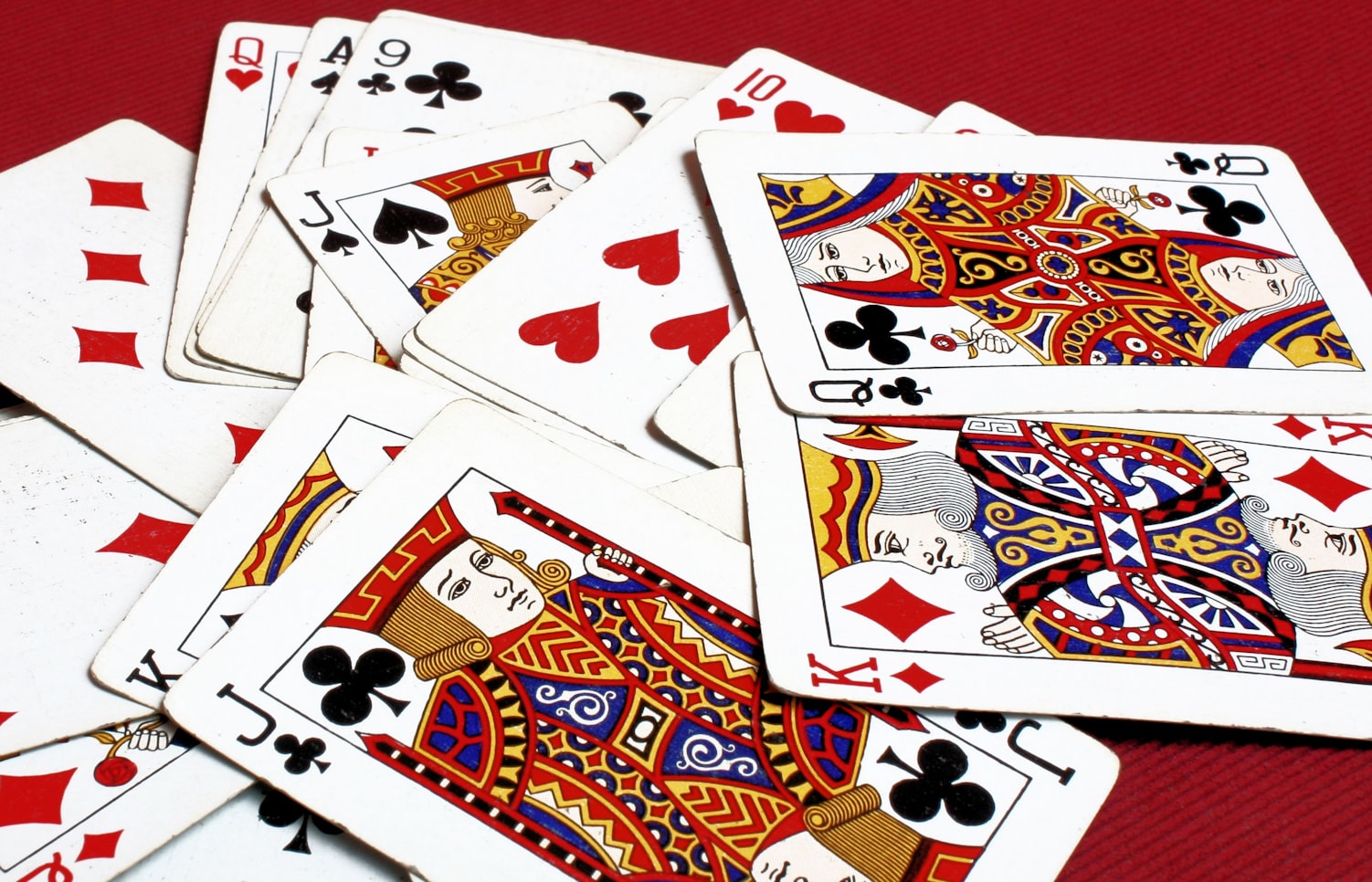
The Middle Ages marked a significant period of transformation for gambling. As Europe recovered from the chaos of the Dark Ages, games of chance began to flourish. Card games gained popularity, particularly in France and Italy, leading to the development of games such as poker and blackjack. These card games brought a new strategic element to gambling, emphasizing skill alongside chance.
During this time, gambling houses and betting venues began to emerge, formalizing the practice and attracting a broader audience. Despite being viewed with suspicion by some religious authorities, gambling persisted, as it provided both entertainment and the potential for profit.
The Rise of Casinos and Legalization in the 18th Century
The 18th century witnessed the establishment of the first official casinos, particularly in Italy and France. These luxurious venues offered a myriad of games, including roulette and baccarat, setting the standard for modern casinos. This period also saw the beginning of gambling regulations, as governments recognized the potential for taxation and economic benefits.
Legalization of gambling in various forms led to a boom in the industry. It became a socially accepted form of entertainment, appealing to the growing middle class. The glitz and glamour of casinos drew visitors, transforming gambling into a spectacle and further embedding it into societal culture.
The Digital Revolution and Online Gambling
The advent of the internet in the late 20th century ushered in a new era for gambling. Online casinos and betting platforms emerged, providing unprecedented access to gambling from the comfort of one’s home. This revolution not only expanded the audience for gambling but also introduced innovative gaming experiences, such as live dealer games and mobile betting.
With technological advancements, online gambling has become highly interactive and user-friendly. Regulatory frameworks have adapted to this digital landscape, ensuring safety and fairness for players. The popularity of online gambling continues to soar, appealing to younger generations who prefer convenient gaming options.
Your Source for Gambling Insights
This website serves as a comprehensive resource for anyone interested in the history and evolution of gambling. From ancient practices to modern gaming strategies, we aim to educate and inform our readers about the various aspects of gambling. Whether you’re a seasoned player or a curious newcomer, our articles provide valuable insights into the world of gambling.
Stay tuned for more updates and deep dives into specific games and strategies. Our goal is to foster a community of informed gamblers who can appreciate the rich history and dynamic future of this fascinating activity.