
The Allure of Chance and Risk
The fundamental appeal of gambling lies in its inherent unpredictability. The thrill of not knowing whether a spin of the slot machine or a roll of the dice will lead to a life-changing win captivates many individuals. This element of chance creates excitement and anticipation, often leading to an adrenaline rush that keeps players returning for more. Many gamblers view this uncertainty as an escape from their daily routines, allowing them to embrace risk in a structured environment. Enthusiasts often turn to best online sports betting sites to further enhance their experience with new opportunities.
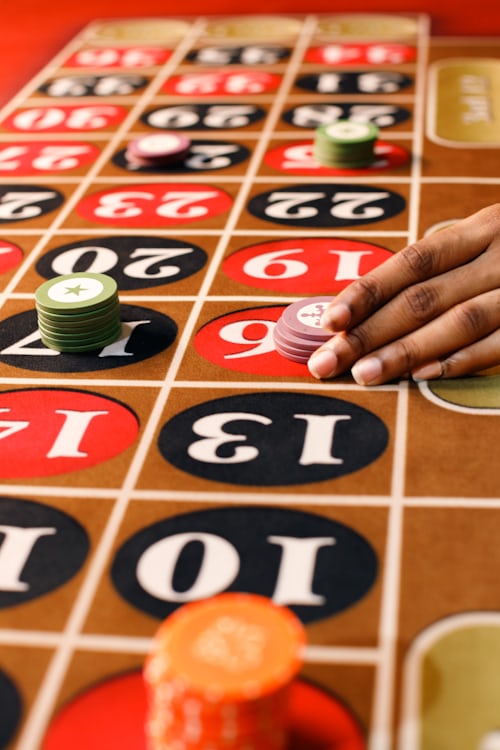
This attraction to risk is deeply rooted in human psychology. The concept of variable reinforcement, where rewards are given at unpredictable intervals, plays a significant role. This gambling principle suggests that the uncertainty of a win can be more enticing than the win itself, fostering a cycle of engagement that can be hard to break. Thus, the momentary thrill of possibility becomes a powerful motivator driving players toward casinos.
Social Connections and Community
Gambling is not solely an activity centered on money; it also serves as a social endeavor. Many people visit casinos not just to win but to enjoy camaraderie and build connections with others. The environment of a casino is often vibrant and social, filled with like-minded individuals who share a passion for gaming. This sense of community provides emotional support, enhancing the overall gambling experience.
Moreover, social interactions can amplify feelings of excitement and fun, encouraging individuals to participate in group activities or games. Shared experiences, such as celebrating a win together or commiserating over losses, strengthen bonds and create lasting memories. This aspect of gambling can be particularly appealing, as it intertwines the thrill of competition with the warmth of friendship, making casinos a favored destination for social gatherings.
The Illusion of Control
Psychologically, many gamblers cling to the belief that they can influence their chances of winning, despite the inherently random nature of gambling games. This illusion of control is often seen in players who develop specific rituals or strategies they believe will improve their odds. For instance, a player might consistently choose a particular slot machine or employ specific betting patterns in card games, convinced that their actions will lead to favorable outcomes.
The reinforcement of this behavior comes from sporadic wins that can happen despite the odds being against the player. Each win, no matter how small, can reinforce the belief that strategy trumps luck, prompting continued participation. This cognitive bias not only fuels the desire to gamble but also creates a cycle where gamblers return in the hope of repeating past successes, unaware of the statistical realities at play.
The Role of Escapism
For many individuals, gambling serves as a form of escapism, a temporary reprieve from the stresses of daily life. The immersive and stimulating environment of a casino can transport players to a different world, where they can forget their worries and immerse themselves in the thrill of the game. This ability to escape reality provides a powerful draw, particularly for those facing emotional or financial struggles.
Additionally, the stimuli within a casino—bright lights, sounds of coins, and the buzz of activity—contribute to a sensory overload that captures attention and creates an exhilarating experience. This escape can be therapeutic for some, as they seek to alleviate feelings of anxiety or boredom. However, it is essential to recognize that while gambling may offer temporary relief, it can also lead to negative consequences if not approached with caution.
Understanding the Online Gambling Landscape
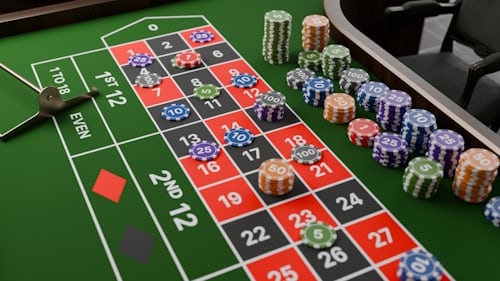
As the landscape of gambling evolves, online platforms have emerged as popular alternatives to traditional casinos. These digital spaces offer convenience and accessibility, catering to a wide array of players. Despite physical distance, online gambling retains many psychological elements that attract players, such as the thrill of risk and the opportunity for social interaction through live dealer games.
Moreover, websites engage users through gamification, bringing forth strategies that enhance user experience while tapping into their psychological desires for achievement and success. The online environment fosters an accessible atmosphere for seasoned and novice gamblers alike, making it a significant player in the gambling industry. While navigating these online platforms, it is essential for players to remain aware of their limits and the potential risks involved, just as they would in a physical casino.